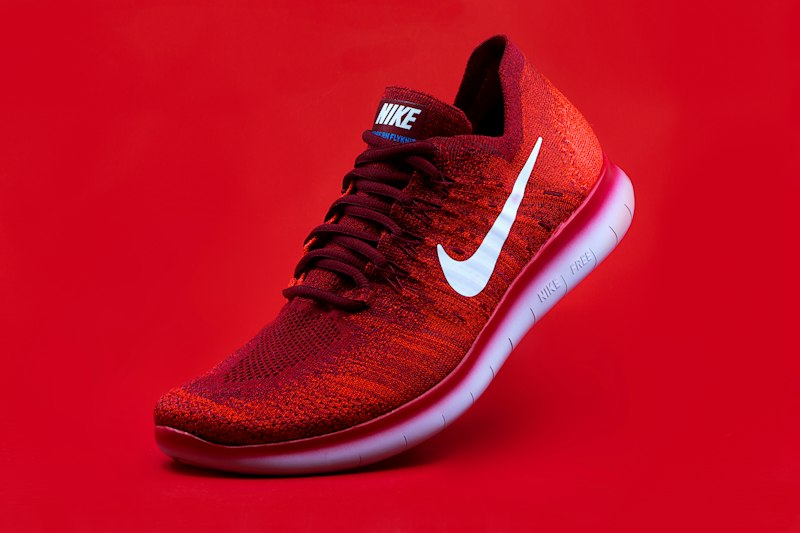
If you have ever bought running shoes based on looks alone, you are not the only one. The problem is that the best-looking pair is not always the one that feels good mile after mile. The good news? You do not need the most expensive shoe on the wall to get a great run. You just need the right shoe for your foot, your stride, and your budget.
This guide breaks down running shoes by price tier and explains what actually matters when you shop. Whether you are jogging a few times a week, training for a 5K, or logging serious mileage, there is a smart buy for you. And if you are building a full budget-friendly wardrobe around your active lifestyle, you may also want to read how to build a capsule wardrobe on any budget.
Before you buy: know what kind of runner you are
Not every runner needs the same thing. Some people want soft cushioning for easy runs. Others want a stable shoe that helps control pronation. Some need a lightweight race-day option, while others need a durable daily trainer for road miles or a grippy trail shoe for dirt and rocks.
There are a few terms worth knowing:
- Neutral shoes: Best for runners with a natural gait who do not need extra support.
- Stability shoes: Add guidance for runners who want a little more structure.
- Road shoes: Designed for pavement, treadmills, and sidewalks.
- Trail shoes: Built for dirt, gravel, and uneven terrain.
If you are unsure, a neutral road shoe is often the safest place to start.
Under $60: the best budget-friendly starting point
If your budget is tight, do not panic. Under $60 shoes are not automatically bad. You just need to be selective. Look for reputable brands, simple designs, and models that are last year’s version rather than current hype.
At this price, prioritize a comfortable fit over fancy features. Good entry-level shoes often offer decent cushioning, lightweight mesh uppers, and enough durability for walking, gym sessions, and shorter runs. They are also a great option if you are testing whether running will stick.
What to watch for: overly stiff midsoles, narrow toe boxes, and mystery brands with too-good-to-be-true claims.
$60 to $100: the sweet spot for most runners
This is where you often get the best value. Many solid daily trainers land in this range once sales kick in. Here, you can start looking for features that truly improve the run: better cushioning, smoother transitions, lighter materials, and more durable outsoles.
If you run a few times a week, this tier is usually enough. You may find neutral shoes with soft landings, light stability models, or road-to-gym hybrids that do a little bit of everything. Shopping last season’s colorways can save a surprising amount without changing the shoe’s performance at all.
Need a smart, affordable look for everyday wear too? Our guide to finding quality clothes without breaking the bank has some helpful shopping strategies that work for apparel and footwear alike.
$100 to $150: performance without the premium panic
Once you move into this range, you are often paying for better energy return, upgraded foam, more refined uppers, and a smoother ride. That does not mean every shoe is worth it, but it does mean you can be choosier about how a model fits your training style.
This is a good range for regular runners who want a shoe they can trust for both shorter daily runs and longer weekend efforts.
One useful trick: check end-of-season sales right when new models launch. The outgoing version is often nearly identical but much cheaper.
$150+: when the splurge makes sense
High-end running shoes can be fantastic, but only if you will actually use the benefits. Top-tier models often deliver lighter weight, more responsive foam, premium uppers, and race-ready geometry. They can also feel more specialized, which is great for experienced runners but unnecessary for casual joggers.
Splurge if you are training seriously, racing, or spending lots of weekly mileage on your feet.
Cushioning, stability, and fit matter more than the logo
Whatever your budget, the three most important things are cushioning, stability, and fit. Cushioning should feel supportive without being mushy. Stability should match your needs rather than fight your stride. Fit should leave room for toe splay while keeping your heel secure.
A good running shoe should also feel comfortable within the first try-on. The break-in period for most modern shoes is short. If the shoe is painful out of the box, it is probably the wrong shoe, not a shoe that needs “time to work.”
How to find deals without getting stuck with the wrong pair
Shop outlet sections, brand sale pages, and holiday markdowns. Sign up for store emails if you can handle the inbox noise, because that is where many short-term discounts show up first. If you already know your size in a model, search for last year’s version in a similar colorway.
Compare prices across running specialty stores, big-box retailers, and direct brand sites. Sometimes one store will offer a better return policy even if the sticker price is slightly higher. That matters when you are trying shoes for the first time.
And if your outdoor hobbies are growing, our beginner-friendly guide to essential outdoor gear for beginners can help you build the rest of your setup without overspending.
How long running shoes should last
Most running shoes last around 300 to 500 miles, depending on your weight, gait, and the surfaces you run on. If you notice flattened cushioning, worn tread, new aches, or a shoe that just feels dead, it is time to replace them. Waiting too long can make runs feel harder and may even irritate your joints or feet.
To stretch your budget, rotate between two pairs if you can. Letting shoes rest between runs can help the foam recover and may extend their useful life. That means a slightly higher upfront spend can actually save money over time.
The best budget shoe is the one you will keep wearing
There is no single perfect running shoe for everyone. The right pick is the one that fits your feet, supports your mileage, and respects your budget. Start with fit, narrow down by running style, and use sales strategically.