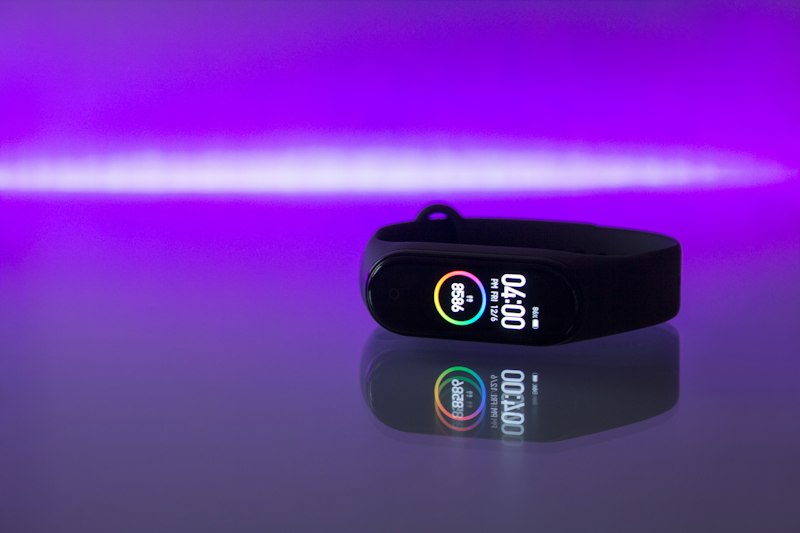
Fitness trackers have gotten a lot better in recent years. They are no longer just step counters that beep at you when you are sitting too long. In 2025, a good tracker can help you understand your workouts, sleep, recovery, and even your daily habits in a way that feels useful instead of overwhelming.
The best tracker for you depends on what you want to measure most. Some people care about running stats. Others want sleep insights. Many just want a lightweight device that nudges them to move more. If you are building a healthy routine on a budget, you may also enjoy How to Set Up a Productive Home Office on a Budget and Beginner's Skincare Routine: Products That Actually Work.
What matters most in a fitness tracker
Before shopping, decide which features you will actually use. A tracker packed with advanced stats sounds cool, but it is not helpful if you only check the time and step count.
- Step counting accuracy: Good for general activity goals.
- Heart rate monitoring: Useful for workouts and intensity checks.
- Sleep tracking: Helpful if you want to improve rest or recovery.
- GPS: Important for running, cycling, and outdoor routes.
- Water resistance: A must for swimmers or sweaty workouts.
- Battery life: Longer battery life means less charging and fewer missed days.
- Compatibility: Make sure it plays nicely with your phone.
Under $50: simple and affordable
This tier is best for people who want the basics without a big investment. Devices here usually focus on step counting, basic heart rate tracking, notifications, and simple sleep data. You may not get every premium feature, but you can still get plenty of value if your main goal is staying accountable.
Best for: general fitness, beginners, teens, and anyone who wants to test the waters before upgrading.
Watch for: weaker app experiences, less accurate GPS, and shorter battery life on some models.
$50-$100: the sweet spot for most people
This range is where a lot of shoppers find the best value. You often get better screens, stronger battery life, improved heart rate sensors, and more polished apps. For many users, this is the best balance between price and performance.
Best for: everyday exercise, casual runners, and people who want a tracker that feels reliable without costing a fortune.
In this tier, accuracy tends to improve, especially for step counts and heart rate. Some models also include decent sleep tracking and basic workout modes that cover walking, running, strength training, and more.
$100-$200: better sensors and more serious features
Once you move above $100, you usually start getting better build quality, stronger app support, more accurate GPS, and deeper health tracking. These devices often feel like they were designed for people who actually use fitness data regularly rather than just glance at it once a week.
Best for: runners, gym regulars, and users who want detailed sleep or recovery insights.
If you are serious about training, this is also where features like automatic workout detection, better water resistance, and more reliable notifications start to feel worth the cost.
Premium trackers: worth it if you will use everything
Premium fitness trackers can be excellent, but only if you really need what they offer. You may get stronger GPS, advanced sleep analysis, stress tracking, training readiness scores, and smart integrations with other health platforms. The hardware often looks nicer too.
Best for: committed athletes, data-loving users, and people who want a health device that feels close to a smartwatch without the full smartwatch price or complexity.
Premium devices are not automatically better for everyone. If you mainly want steps and workout reminders, you may not need to spend this much.
Best picks by activity
Running
Runners should prioritize GPS accuracy, lap tracking, pace metrics, and comfortable wear. Look for a device that locks onto location quickly and can handle both road and treadmill runs.
Swimming
For swimmers, water resistance and pool tracking matter most. Make sure the device is rated for swim use, not just splash resistance.
General fitness
If you want to move more and stay motivated, step tracking, heart rate monitoring, and good app reminders are usually enough.
Sleep tracking
Look for comfort, battery life, and a tracker known for solid sleep stage estimates. A bulky device is harder to sleep in, no matter how smart the software is.
How accurate are fitness trackers in 2025?
Accuracy has improved, but no tracker is perfect. Step counts can be a little generous or a little strict. Heart rate sensors are usually better during steady exercise than during fast interval changes. Sleep tracking is useful for spotting trends, but it should not be treated like a medical diagnosis.
The best way to use a tracker is to look for patterns over time. Did your average steps go up? Are you sleeping more consistently? Are your runs getting steadier? That kind of long-term progress is where trackers become genuinely useful.
Things to compare before you buy
- Battery life: If you hate charging daily, prioritize this first.
- App quality: A great device can feel frustrating if the app is clunky.
- Comfort: If it is annoying to wear, you will stop using it.
- Workout support: Make sure your favorite activity is covered.
- Phone compatibility: Check iPhone or Android support before buying.
Final thoughts
The best fitness tracker is the one that fits your goals and disappears into your routine. For some people, that means an affordable step counter. For others, it means a premium device with advanced stats and longer battery life. Either way, the goal is the same: help you stay consistent without making fitness feel like homework.
If you want more practical buys, take a look at Phone Accessories You Didn't Know You Needed and How to Choose the Right Air Purifier for Your Home next.